



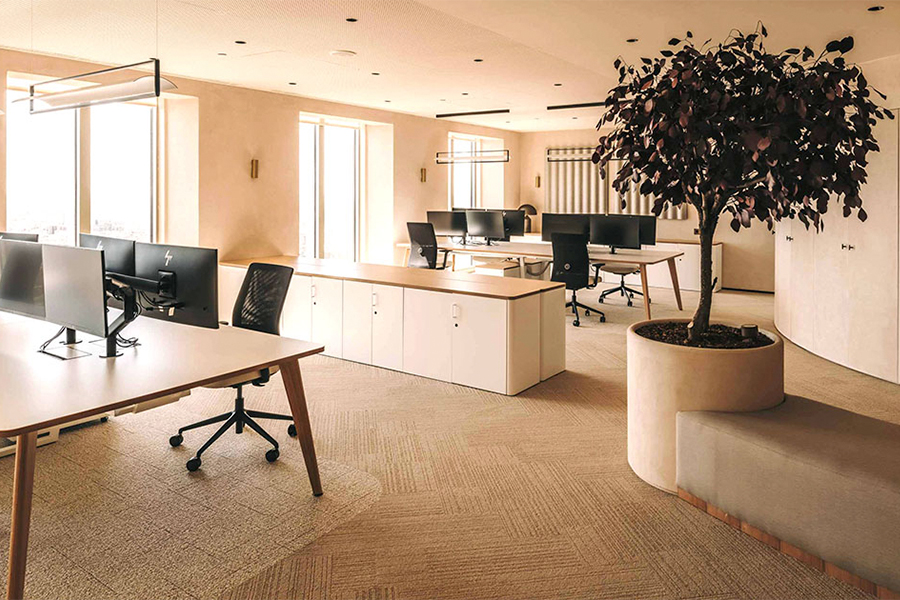
The office of 2030: three trends that are already changing the way we work
What will the office be like in four years’ time? Although it is difficult to predict exactly how we will be working in 2030, there is one thing we can already see: the transformation of workspaces is not a future trend, but a process that is already underway.
Hybrid working, the integration of new technologies, the pursuit of greater wellbeing and the need to create more sustainable environments are changing the way we understand the office.
It is no longer simply a matter of designing attractive or functional spaces. The office of the future will need to be able to adapt to different people, needs and ways of working.
Here are some trends that are already paving the way:
1. From workplace to meeting place
The rise of hybrid working models has transformed the role of the office. If certain tasks can be carried out from anywhere, what is the point of the office replicating exactly what we can do from home?
Increasingly, the workplace is becoming a meeting place. A space designed to foster collaboration, the exchange of ideas, creativity and relationships between people.
This means rethinking its layout: incorporating meeting areas, informal spaces for conversation, areas dedicated to collaboration, and environments that also foster a sense of culture and belonging. The office no longer competes with the home as a place for concentration: it provides what we can only achieve when we are together.
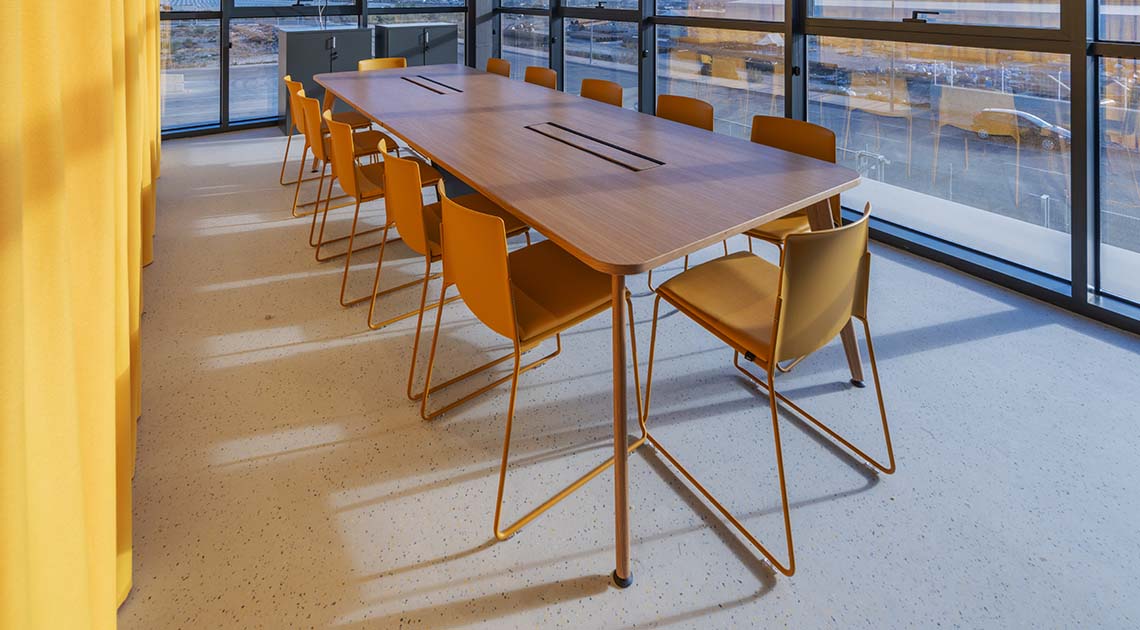
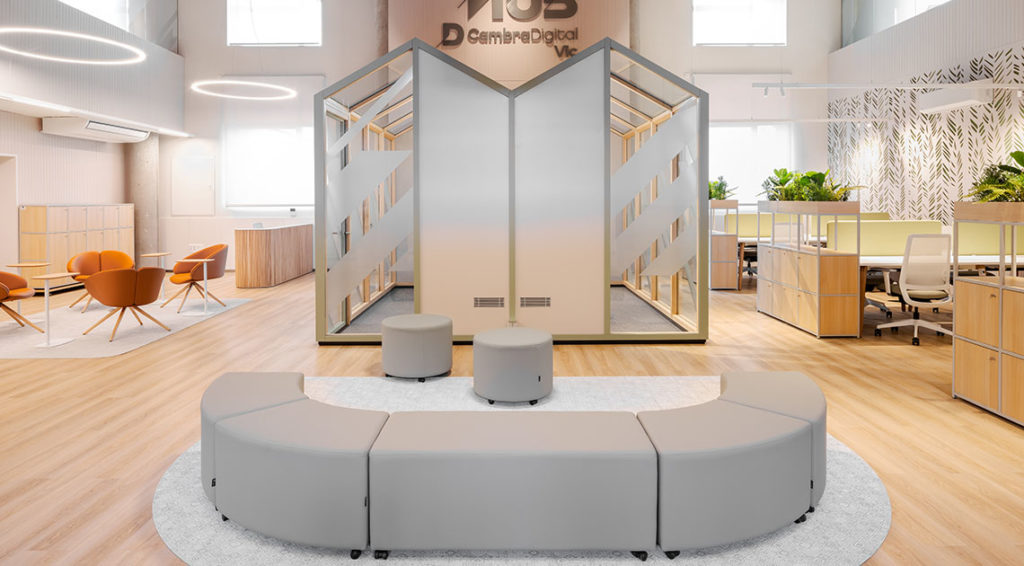
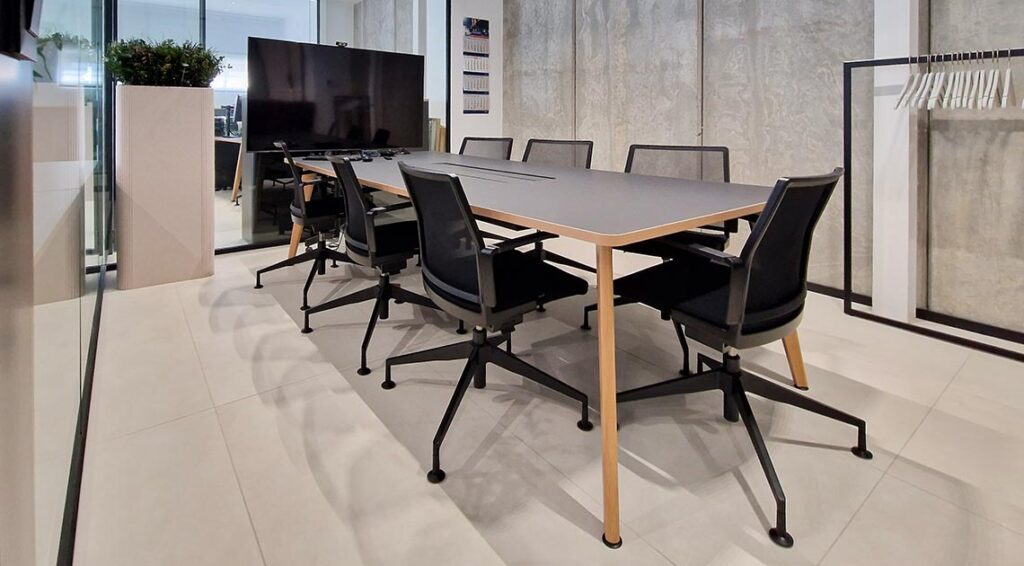
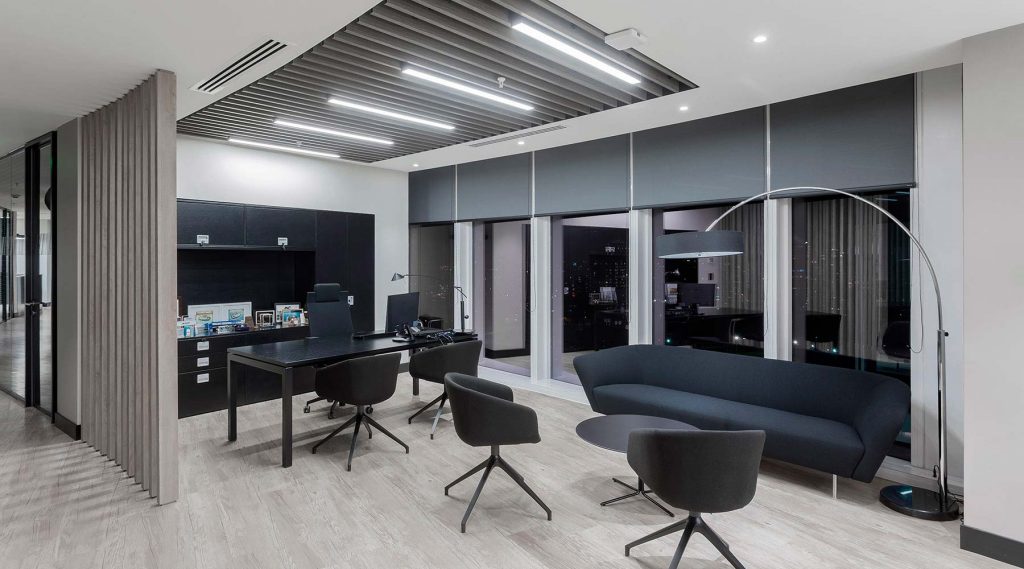
2. Fewer assigned workstations, more adaptable spaces
For years, the office has been organised according to a simple principle: one person, one workstation. But new ways of working are rendering this structure obsolete. The same person may need a quiet space to concentrate, a meeting room, an open-plan area for teamwork, or simply a different place in which to carry out a specific task.
That is why the office of the future will become increasingly flexible. Spaces that can be transformed, furniture that can be adapted, and layouts capable of catering for different activities.
The aim will not be to have a space for every person, but to have spaces for every need.
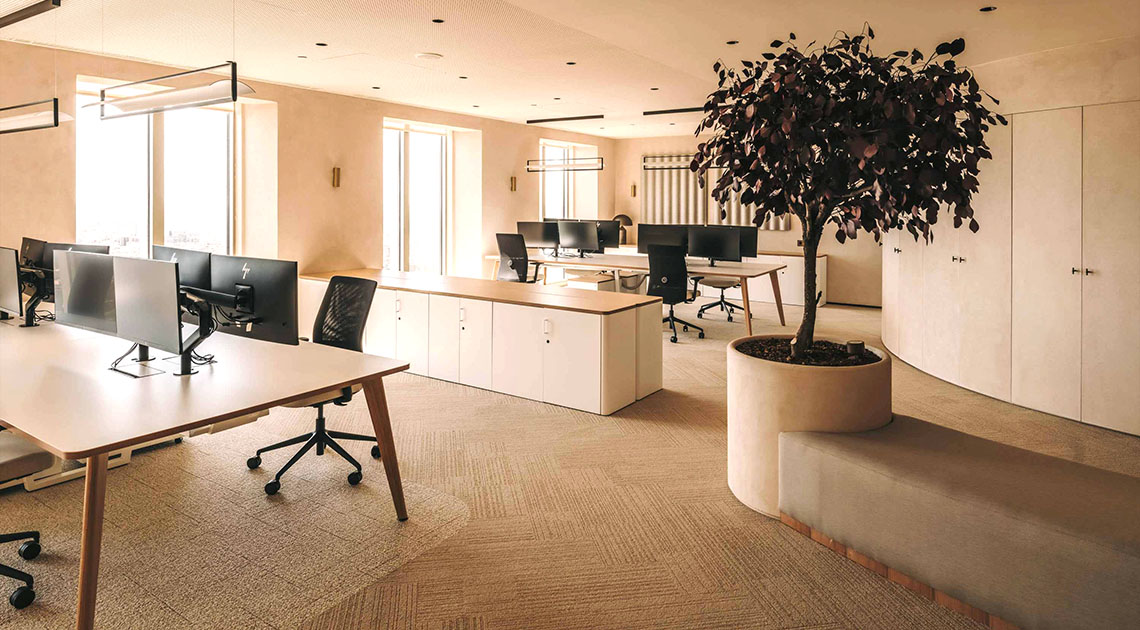
3. Well-being is also designed
Talking about the future of the office also means talking about the people who use it.
Well-being in the workplace goes far beyond simply having an ergonomic chair. Lighting, acoustics, temperature, privacy, the ability to move around, and even the presence of natural elements all influence our daily experience.
Offices in 2030 will need to pay greater attention to these factors and offer different environments for different moments. Because working well does not depend solely on where we sit, but also on how we feel in the space we occupy for much of our day.
An office designed to change
If these trends have one thing in common, it is a single idea: the office of the future will have to be capable of adapting. Adapting to different ways of working, to different professional profiles, to different needs and also to a context that will continue to evolve.
So perhaps the question isn’t exactly what offices will be like in 2030, but rather what we’ll need from them by the time we reach 2030. And the answer seems to point towards spaces that are more flexible, more people-centred, more sustainable and capable of evolving at the same pace as the people and organisations that use them.